

Mobility challengeCity of La Chaux-de-Fonds
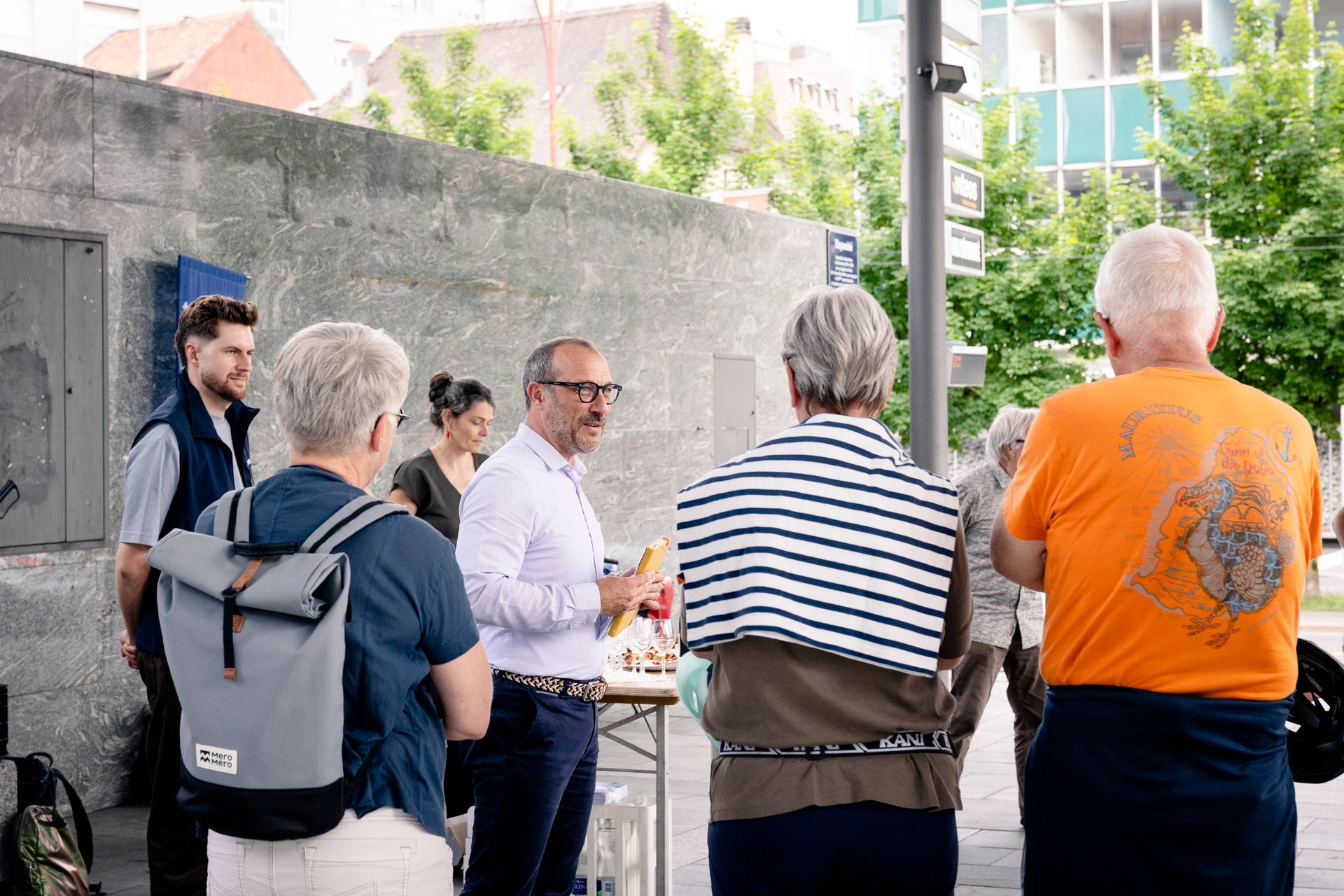
One month to break the car habit
The Active Mobility Challenge began as an initiative by the Transport and Environment Association (ATE). The City of La Chaux-de-Fonds immediately embraced the project and funded its first edition in September 2025. Its aim was to introduce practical alternatives to the car, through both cycling and public transport.
Each partner supplied one part of the programme. ATE initiated and coordinated the challenge, the City funded and promoted it, transN facilitated access to public transport, and Torks supplied the electric bikes and the service required throughout the trial.
A real-world trial at an altitude of 1,000 metres
In La Chaux-de-Fonds, the terrain, altitude and winter conditions have historically limited cycling in everyday life. Electric bikes change that equation: people can test the same journeys they would usually make by car without hills becoming a barrier.
The challenge is deliberately simple. For one month, car owners commit to leaving their vehicle at home as much as possible. In return, they receive a public transport pass or an electric bike and document their experience in a travel diary.
The first edition brought together 66 people, nine of whom chose a Torks bike. For the organisers, this first cohort was both an opportunity to prompt change and a way to understand obstacles encountered in practice. September’s sometimes difficult weather, public transport connections and a few technical problems all provided concrete lessons for the next edition.
Photo: Communications Department of the City of La Chaux-de-Fonds
From 9 to almost 30 cycling participants
The second edition took place in June 2026. The challenge again involved around 60 people, but almost 30 of them selected a Torks bike—more than three times the number in the first year.
The participants ranged from young professionals and families to retired people. A Junior travelcard was also offered for the first time, making it easier for families to use public transport with their children.
This growth illustrates the value of an initiative that temporarily removes the main barriers to change. Participants do not need to buy an unfamiliar bike or redesign their entire mobility routine alone. They can compare solutions in real life, on commutes, shopping trips and journeys to the railway station.
Photo: Communications Department of the City of La Chaux-de-Fonds
More than 4,000 kilometres in one month
Aggregated data from the Torks bikes shows the intensity of the 2026 trial:
- more than 4,000 kilometres travelled during the challenge;
- an estimated 2,500 car journeys replaced;
- an average distance of around 5 kilometres per journey;
- almost one daily bike journey per participant.
Most journeys took place within La Chaux-de-Fonds. Others connected with Le Locle or the railway station, with the bike becoming the first leg of a journey continued by train. These are precisely the short urban trips for which taking the car often remains automatic.
Photo: Communications Department of the City of La Chaux-de-Fonds
Trial as a driver of lasting change
For Torks, the main result extends beyond the distance travelled during the month. An estimated one in two people who received a Torks bike is expected to continue cycling after the challenge.
Letting people test a bike in their everyday lives is one of the most effective ways to change habits for good.
The programme remains lightweight relative to its impact. The local authority funds a time-limited experience while participants immediately discover whether a different way of travelling works for them. Even if they still occasionally use their car, they now have an alternative they know and can use confidently.
A programme cities and employers can reproduce
The challenge directly reflects Torks’ mission: encouraging cycling by removing the practical obstacles to trying it. Torks provides the bikes, supports participants and offers an aggregated view of their usage. The local authority or employer can therefore focus on engaging its audience and integrating the programme into its mobility plan.
Following the success of the 2025 and 2026 editions, a third edition is planned. The format also offers a reproducible model for other cities and employers that want people to experience cycling without first investing in a permanent fleet.
Photo: Communications Department of the City of La Chaux-de-Fonds
Communications and coverage
The challenge in the media
Canal Alpha: results of the first edition in 2025
In September 2025, participants and partners reviewed the first month without a car.
Watch the original report on Canal AlphaRTS: results after one month without a car in 2026
RTS follows one participant and examines the travel patterns observed during the second edition.
Watch the original report on RTSCanal Alpha: three times as many cycling participants in 2026
Torks presents aggregated data from the cycling journeys completed during the challenge.
Watch the original report on Canal Alpha